
Cash to Card Kiosks at Stadiums and Festivals: How They Work and What They Cost
Key Takeaways
A reverse ATM lets cash-carrying fans convert bills into a prepaid card they can spend across a cashless venue instead of getting turned away at the gate.
- These machines take cash and issue a prepaid card that works at every register on site and, in most cases, anywhere major cards are accepted afterward.
- Placement, ADA compliance, and clear signage decide whether a rollout cuts complaints or creates them.
- Fee models split into two camps: the operator absorbs the cost, or the guest pays a fee at the machine.
- The real payoff is capturing spend from cash-preferring and unbanked fans who would otherwise walk.
Treat the machine as one node in a larger cashless network, and the economics work in your favor.
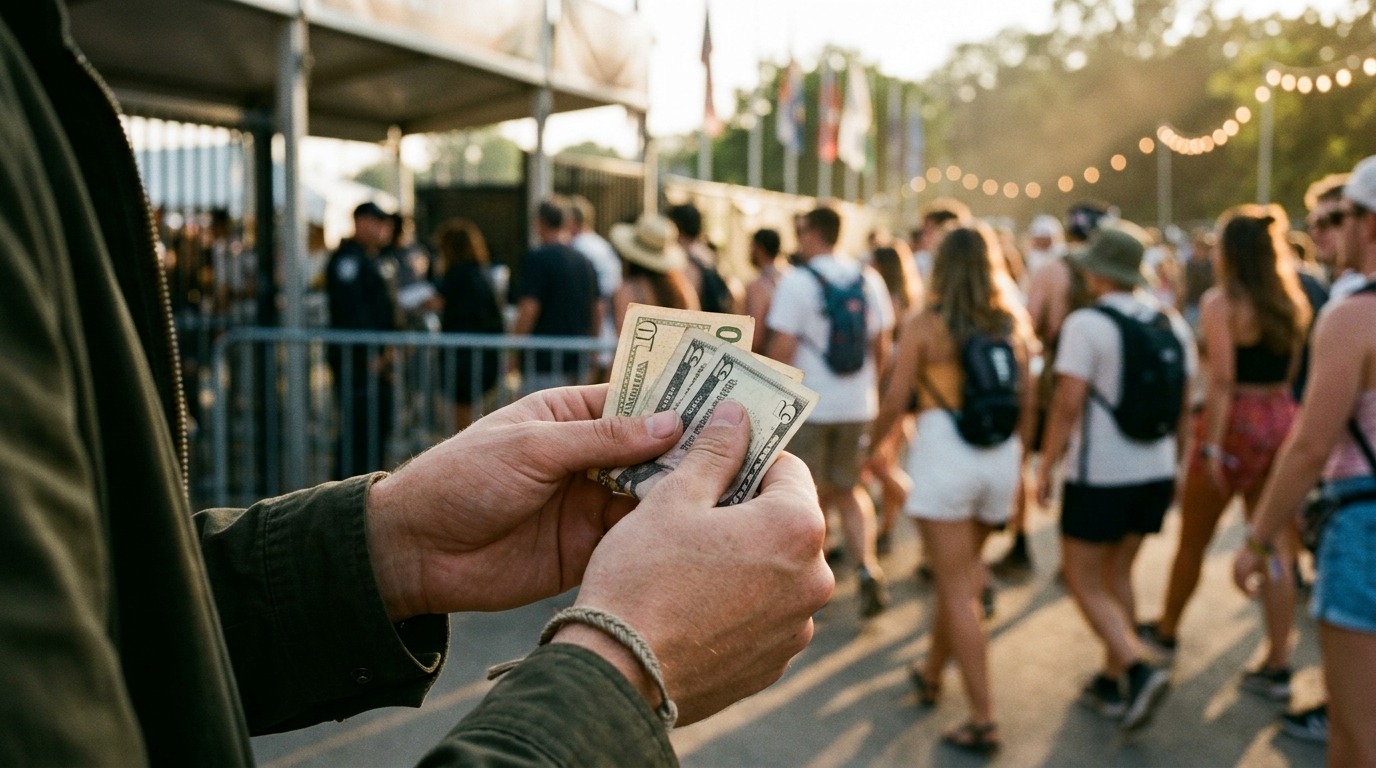
Walk up to a concession stand at a modern stadium and you keep seeing the same sign: cards and mobile only, no cash. Going cashless fixes real problems for operators, but it leaves one obvious gap. Plenty of fans still show up with nothing but bills, and turning them away means turning down their money. A reverse ATM closes that gap by converting cash into a prepaid card that spends anywhere on site, and as the self-service kiosk market keeps expanding, these machines have become standard at venues that have gone fully digital.
The concept is simple: feed in cash, walk away with a prepaid card you can use at any register. The execution is where operators either capture that spend or leave it on the table. This guide breaks down how a cash to card kiosk actually works, where the units belong at stadiums and festivals, what ADA compliance demands, how the fees work, and how a smart deployment turns cash-only fans into paying customers. If you run a venue weighing modern event payment platforms, the machine is one decision inside a much larger one.
What Is a Cash to Card Kiosk and How Does It Work?
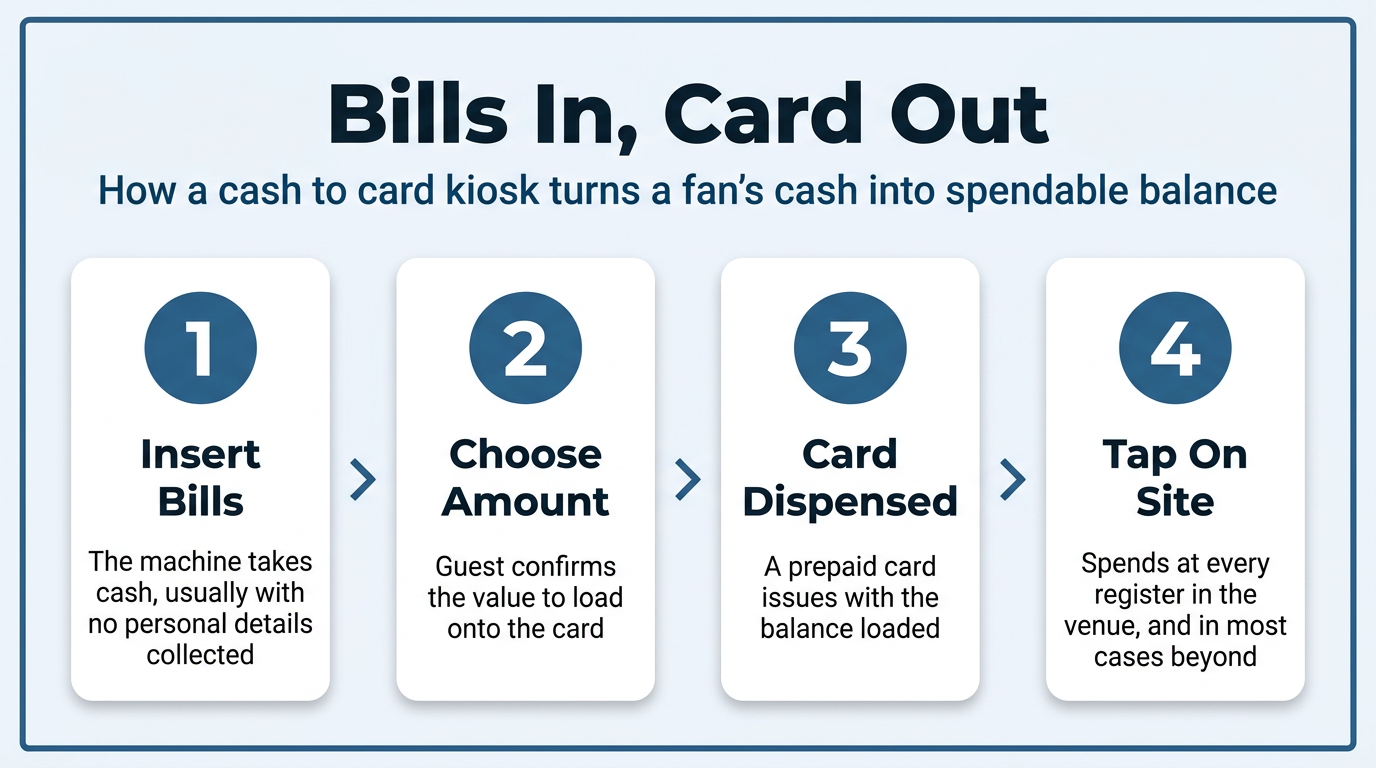
This kind of machine, sometimes called a reverse ATM, does the opposite of a bank ATM. Instead of dispensing cash from an account, it accepts bills and loads the balance onto a prepaid debit card. That card works at every point of sale inside the venue, and in most deployments anywhere major cards are accepted once the event ends.
The Hardware Inside the Machine
The hardware is built around a bill acceptor, a small onboard computer, a dispenser stocked with prepaid cards, and a touchscreen. Units for outdoor events are ruggedized for weather and heavy use, since a concourse or open field is rougher than a bank lobby. Some are built into mobile trailers, so a festival can drop conversion points wherever foot traffic demands and move them between weekends.
How the Conversion Actually Happens
The guest picks an amount, inserts bills, and the machine issues a prepaid card loaded with that value, usually with no personal information collected. Most venues cap how much a single card can hold, and the machines typically take bills only. Because the card is a standard prepaid product, any leftover balance travels home with the fan, so there is no refund line to manage when the gates close.
Where Should Cash to Card Kiosks Go at Large Venues?
Placement is the difference between a machine that quietly does its job and one that generates complaints in the first hour. The goal is simple: a cash-carrying fan should reach a conversion point before a register, not after being turned away. That means putting units where cash users arrive and decide to spend.
Entry Points and High-Traffic Concourses
The strongest placements sit at main entrances and busy concourse intersections, so guests convert on the way in rather than at the beer line. Guest services desks make a natural anchor, since staff are already there to help. For cash to card kiosks at stadiums, operators often mirror units on the east and west sides of each concourse level, so no fan crosses the building. Many fully cashless stadiums publish kiosk locations in their guest guides for exactly that reason.
Festival Grounds and Mobile Units
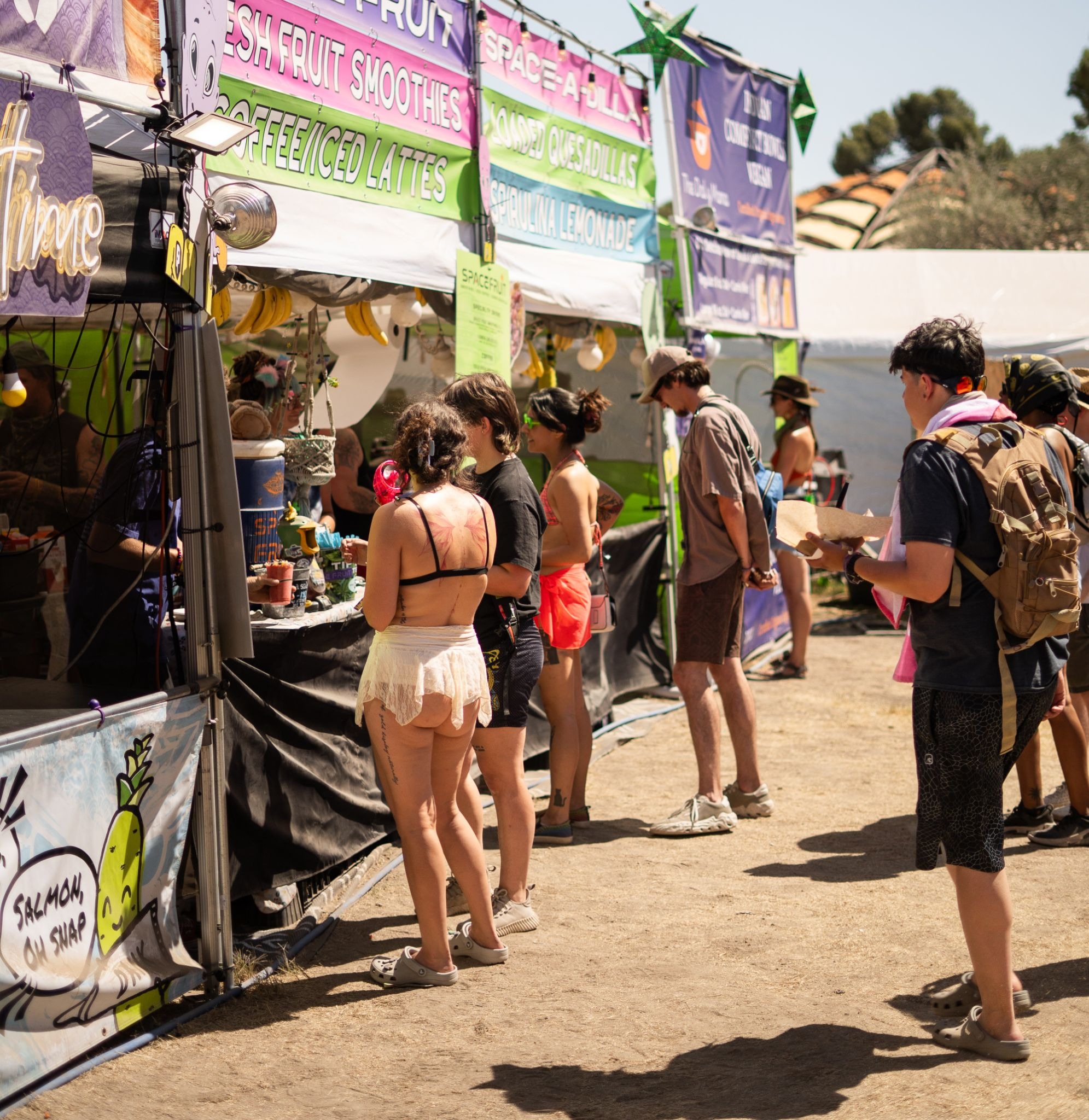
Festivals play by different rules, because the layout changes every event and power and connectivity are built from scratch. Here, cash card kiosks at festivals often ride in on trailers and cluster near entry gates, main stages, and the densest vendor rows. Signage matters even more outdoors, so tall flags and repeated directional signs earn their keep.
What ADA Rules Apply to Cashless Conversion Kiosks at Events?
Any self-service machine open to the public has to work for guests with disabilities, and a cashless conversion kiosk is no exception. The federal framework that governs ATMs and fare machines is the reference point operators lean on. Meeting it is a legal requirement, and good business for a venue that wants every fan able to spend.
What the Standards Require
Federal guidance for these machines covers reach range and operable parts, clear floor space, speech output, and display requirements, so guests who are blind or use a wheelchair can transact on their own. In practice that means a screen and card slot reachable from a seated position, controls usable without tight grasping or twisting, and an audio mode a headphone jack can trigger. Enough clear floor space for a wheelchair to approach head-on or from the side is part of the same picture.
Why Staff Support Is Not a Substitute
A common mistake is assuming a nearby staffer counts as compliance. Legal cases have repeatedly found that an available employee does not excuse an inaccessible machine, because it strips away the independence the standards protect. The safer path is to specify accessible units up front and confirm placement leaves the required clearance, rather than retrofitting after a complaint.
Who Pays the Kiosk Fees, the Operator or the Guest?
Every deployment answers one money question up front: who covers the cost of converting cash. The two models create very different guest experiences, and the choice signals how a venue thinks about fans who still carry cash. It also drives how much of that cash turns into on-site spend.
The Operator-Pays Model
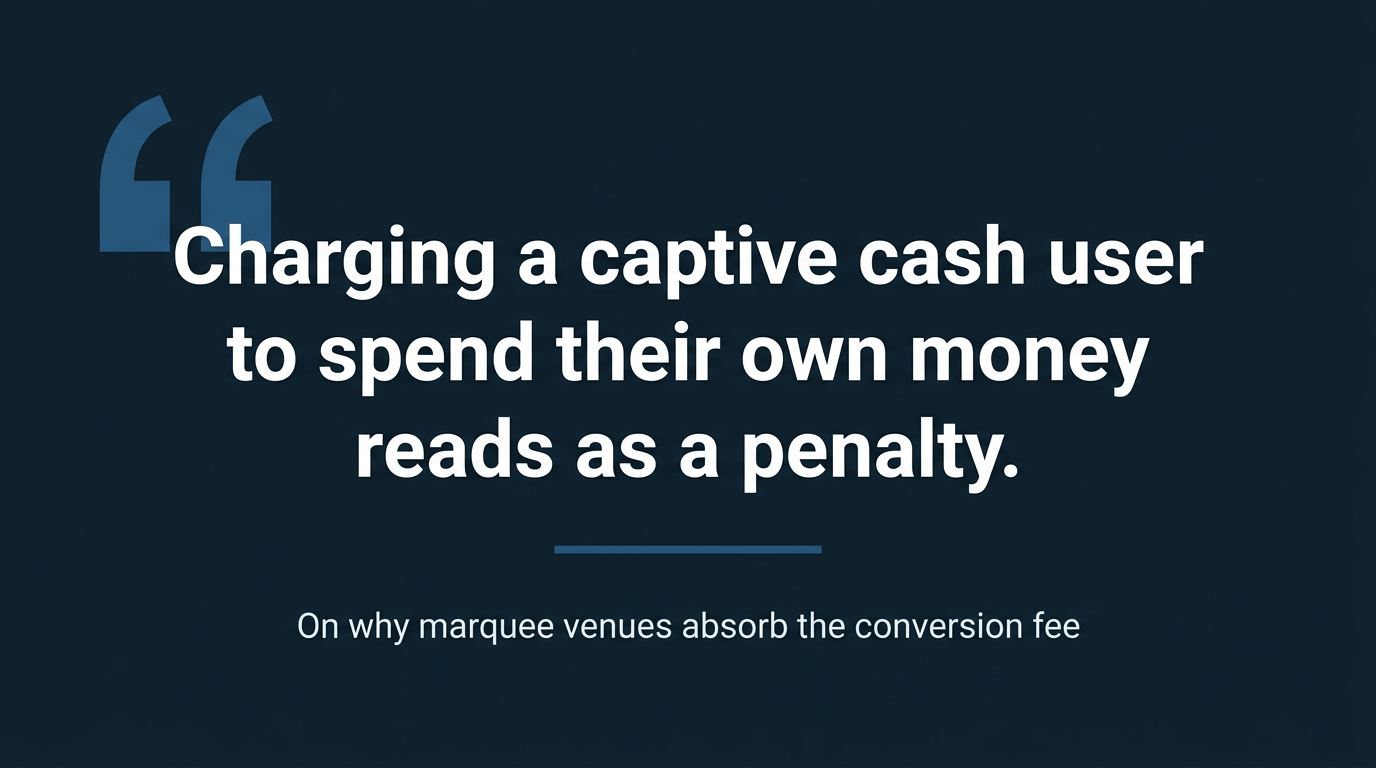
In the operator-pays model, the venue absorbs the conversion cost and the fan loads a card with no fee, so a twenty in the slot becomes twenty on the card. This is the friendlier approach and the one marquee venues advertise, because charging a captive cash user to spend their own money reads as a penalty. The operator justifies the cost with the extra spend those fans unlock once they can pay.
The Guest-Pays Model
In the guest-pays model, the machine deducts a flat or percentage fee before loading the card. It lowers the venue's cost, but it risks souring the exact fans the machine exists to serve and can push a cash-only guest to spend less. Some operators compromise by waiving fees at big events and applying them only where volume runs low.
How Do Cash to Card Kiosks Capture Revenue From Unbanked Fans?
The business case for these machines is not really about convenience. It is about the money a cashless venue would otherwise refuse at the gate. A meaningful slice of any crowd prefers cash or has no bank account, and without a conversion option, that spend simply walks.
The Cash-Preferring and Unbanked Audience
Federal data shows 4.2 percent of U.S. households were unbanked in 2023, meaning no one in the home had a checking or savings account, and about two-thirds of those households ran entirely on cash. Add the banked fans who simply prefer cash at an event, and the cash-only segment at any gate is far from trivial. Every one is a customer a fully cashless venue cannot serve without a conversion option.
Turning Cash Into Captured Spend
Once a fan converts, they behave like any cashless customer, tapping a card instead of digging for bills, and they tend to spend the balance down rather than pocket the change. That is the quiet win: a prepaid card nudges people to round up and finish what they loaded. Across cash to card kiosks at stadiums and festivals, that recovered spend becomes tracked, on-site revenue with a clean digital trail.
How Does the Machine Connect to the Main POS Network?
A machine that issues a card the venue's own registers cannot read is worthless, so integration makes or breaks the rollout. The card has to work at every terminal, vendor, and bar without a second thought. That only happens when the conversion layer and the payment network are built to talk to each other.
Open-Loop Cards Versus Closed-Loop Balances
Most stadium machines issue open-loop prepaid cards that run on the major card networks, so they work at any standard terminal on site and out in the world afterward. Closed-loop systems instead load value the venue's own platform tracks, keeping spend and data in one ecosystem but usually tying the card to that venue. Which model fits depends on whether the operator values portability for the fan or unified reporting for the house.
Why the Backbone Matters More Than the Machine
A conversion point is only as useful as the network behind it. If the venue's contactless POS system cannot accept the card at every vendor or reconcile the spend in real time, the machine just relocates the bottleneck. The strongest deployments treat it as one entry ramp onto a backbone that already handles cashless and contactless payments across the operation.
Five Common Deployment Patterns at Stadiums and Festivals
Across venues, the same handful of deployment patterns keep showing up. Here are five worth knowing before you place a single unit.
- Entry-Gate Conversion. Units cluster at the main gates so fans convert on arrival, before they reach a register. This front-loads balances onto cards and keeps concession lines moving.
- Guest-Services Anchoring. Machines sit beside help desks where staff already work, so anyone who gets stuck has immediate support. It cuts down on abandoned transactions in the first-time-user rush.
- Mirrored Concourse Placement. Stadiums duplicate units on opposite sides of each level so a fan is never more than a short walk from one. That redundancy also spreads demand during the pre-event rush when everyone arrives at once.
- Mobile Trailer Clusters. Festivals mount cash card kiosks on trailers and reposition them by day, chasing foot traffic between stages and vendor rows. It suits grounds that change shape every event.
- Backbone Integration First. The best operators confirm the card clears at every vendor and reconciles in real time before they scale the unit count. Testing that end to end first prevents a rollout that strands fans with cards half the stands cannot read.
FAQ
What Is a Cash to Card Kiosk at a Stadium?
It is a self-service machine, also called a reverse ATM, that lets a fan insert cash and receive a prepaid card loaded with that amount. The card works at every register in the venue and, in most deployments, anywhere major cards are accepted afterward. Stadiums install them so cash-carrying fans are never turned away at a cashless venue.
Do These Machines Charge a Fee?
It depends on the venue. Many high-profile stadiums absorb the cost so guests pay nothing to convert, while others deduct a flat or percentage fee at the machine. The no-fee model is friendlier to the cash-preferring fans the machine is meant to serve.
Are Reverse ATM Kiosks ADA Compliant?
They are required to be, under the same accessibility framework that governs ATMs and fare machines. That means reachable controls, clear floor space, and non-visual options such as speech output. Having staff nearby to help does not replace an accessible machine.
What Happens to Leftover Money on the Card?
Because most machines issue standard prepaid cards, any leftover balance goes home with the fan and spends anywhere major cards are accepted. That removes the need for a refund line at the end of the event. It is one reason venues favor open-loop cards for conversion.
Making the Machines Pay Off
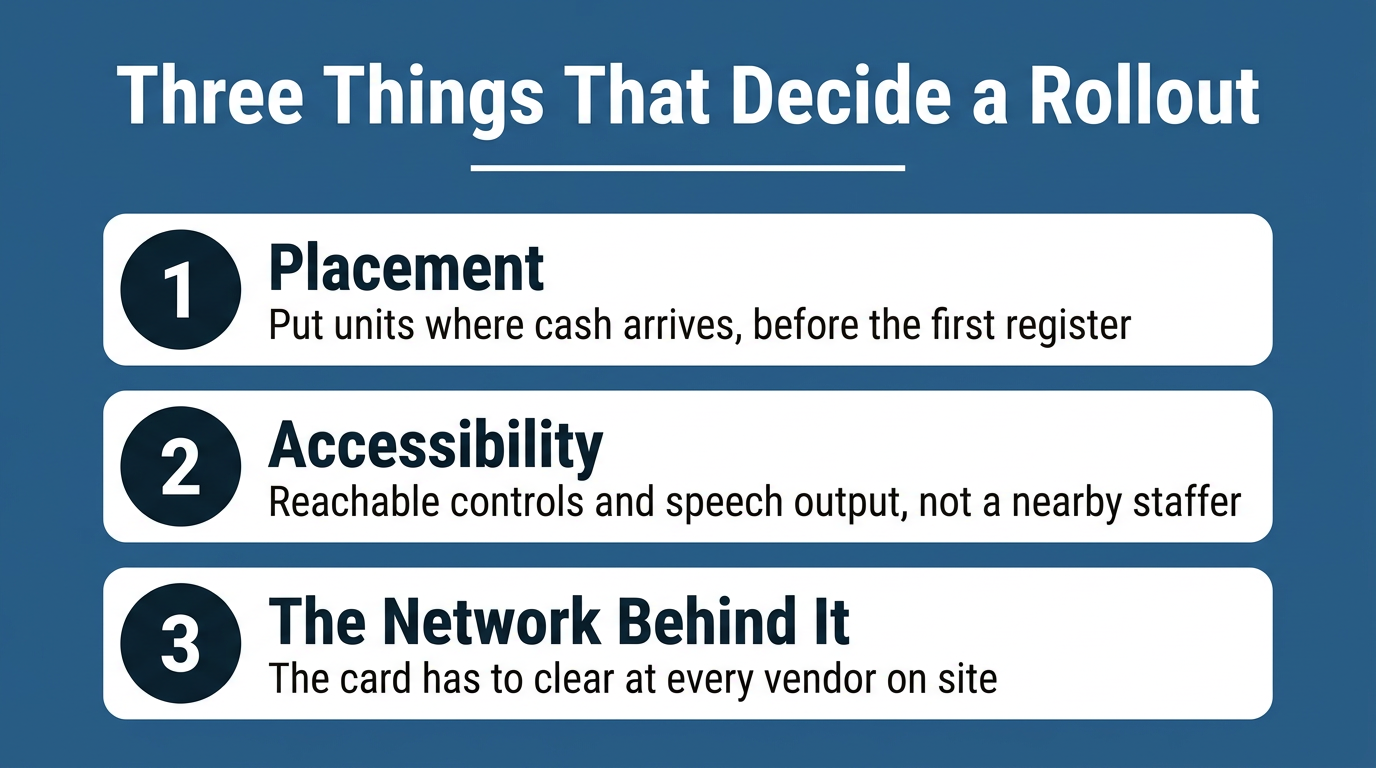
A reverse ATM is a small machine that solves a surprisingly large problem. It keeps a cashless venue from quietly rejecting the fans who still carry bills, and it turns their cash into tracked, on-site spend. The details decide whether it works: place units where cash users arrive, meet accessibility requirements, choose a fair fee model, and make sure the card runs everywhere on the network. Get those right and the machine stops being a courtesy and becomes a revenue tool.
The catch is that a conversion point only pays off when the payment backbone behind it can accept that card at every vendor and reconcile the spend in real time. Billfold builds the cashless and contactless POS infrastructure that live events and venues run on, with RFID wristband payments, multi-vendor management, and real-time reporting built for high-volume crowds. Reach out to the Billfold team to map a cashless deployment to your venue.
